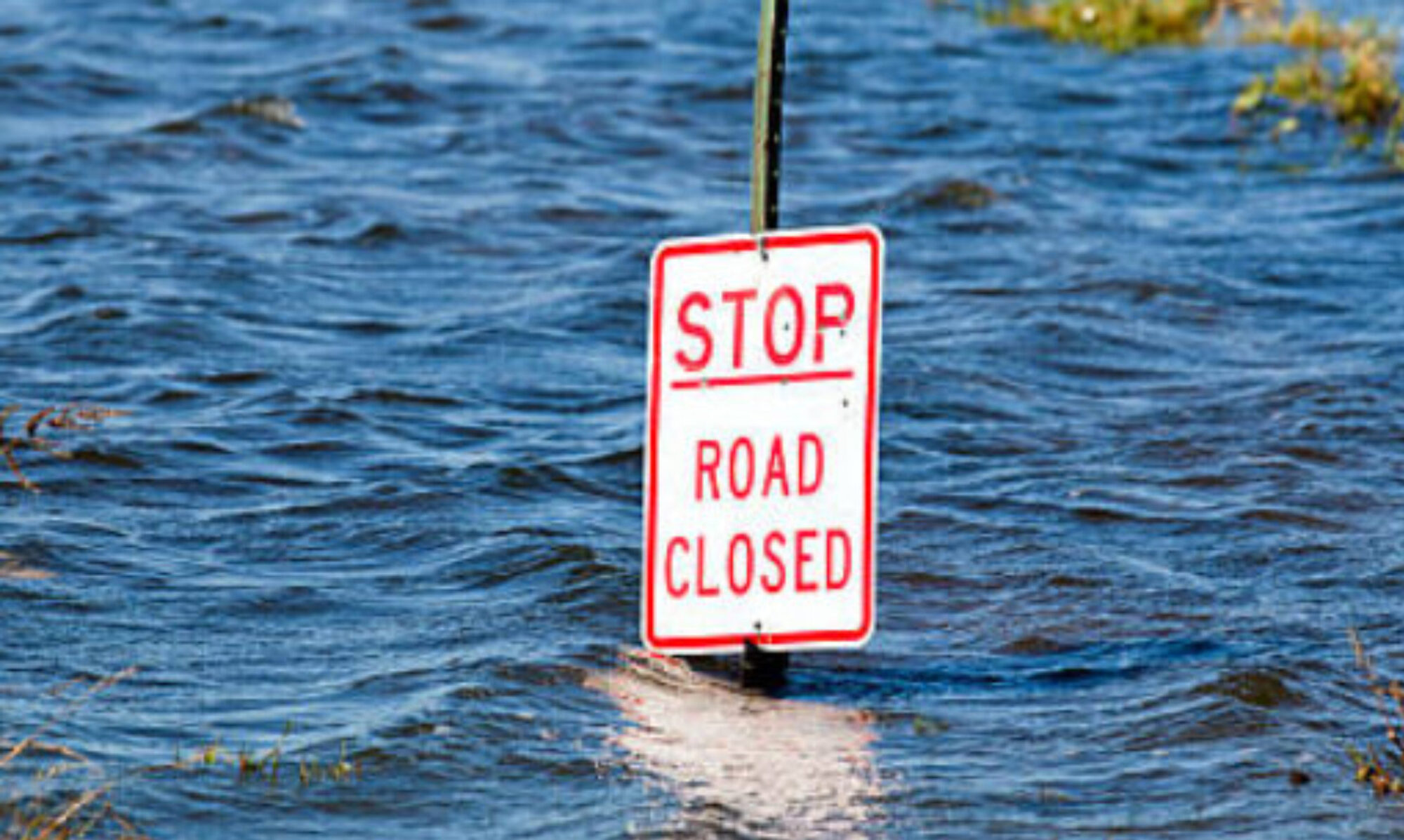

California’s coastal flooding is a growing concern, driven by factors like rising sea levels, more intense storms, and human activities. Here are some key issues associated with coastal flooding in California:
Environmental Impacts
- Ecosystem Disruption: Flooding threatens wetlands, estuaries, and coastal habitats, which are critical for biodiversity.
- Erosion: Increased wave action and storm surges accelerate coastal erosion, degrading beaches and cliffs.
- Water Quality: Floodwaters can carry pollutants into the ocean, harming marine life and degrading water quality.
Economic Consequences
- Infrastructure Damage: Roads, bridges, ports, and buildings are at risk, leading to costly repairs.
- Tourism Decline: Damage to beaches and recreational areas can deter tourists, affecting local economies.
- Property Loss: Homes and businesses in low-lying areas face destruction or significant devaluation.
Social Challenges
- Displacement: Coastal communities may be forced to relocate, disrupting lives and increasing housing pressures inland.
- Public Health Risks: Standing floodwaters can harbor diseases, and saltwater intrusion can contaminate drinking water supplies.
Climate-Related Drivers
- Rising Sea Levels: Thermal expansion of water and melting polar ice are causing sea levels to rise.
- Storm Intensification: Climate change is making storms stronger, increasing the likelihood of severe flooding.
Policy and Management Issues
- Inadequate Infrastructure: Many flood defenses are outdated or insufficient to handle current and future risks.
- Regulatory Challenges: Land-use policies often allow development in flood-prone areas.
- Funding Gaps: Addressing coastal flooding requires significant investment, which can strain budgets.
Mitigation Strategies
- Natural Barriers: Protecting and restoring wetlands, dunes, and reefs to act as buffers.
- Upgraded Infrastructure: Building seawalls, levees, and flood-resistant structures.
- Community Planning: Implementing stricter zoning laws and relocating vulnerable communities.
- Carbon Emission Reductions: Tackling climate change to slow sea-level rise and reduce storm severity.
California’s response to these challenges will require coordination among government agencies, scientists, and local communities, alongside robust investment in adaptation and mitigation strategies.